Carmigniani and Furht (2011) describe augmented reality as “a real-time direct or indirect view of a physical real-world environment that has been enhanced/augmented by adding virtual computer-generated information to it” Augmented reality has been used to create a variety of applications with varying uses.
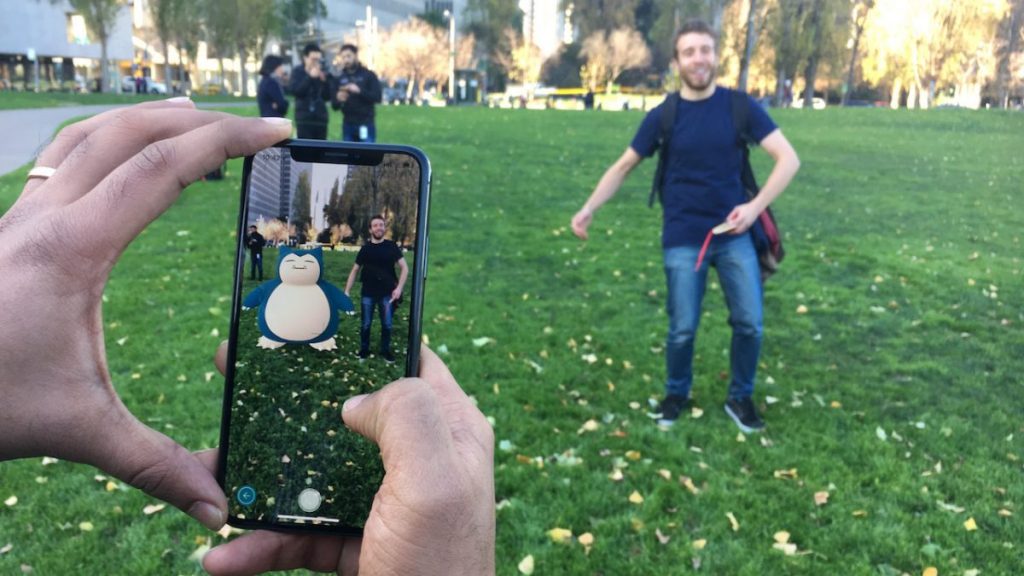
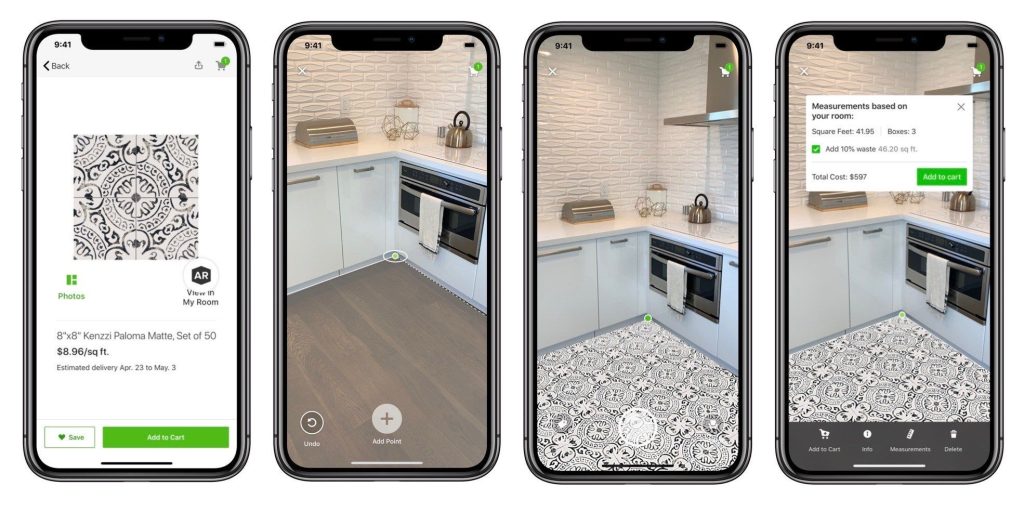
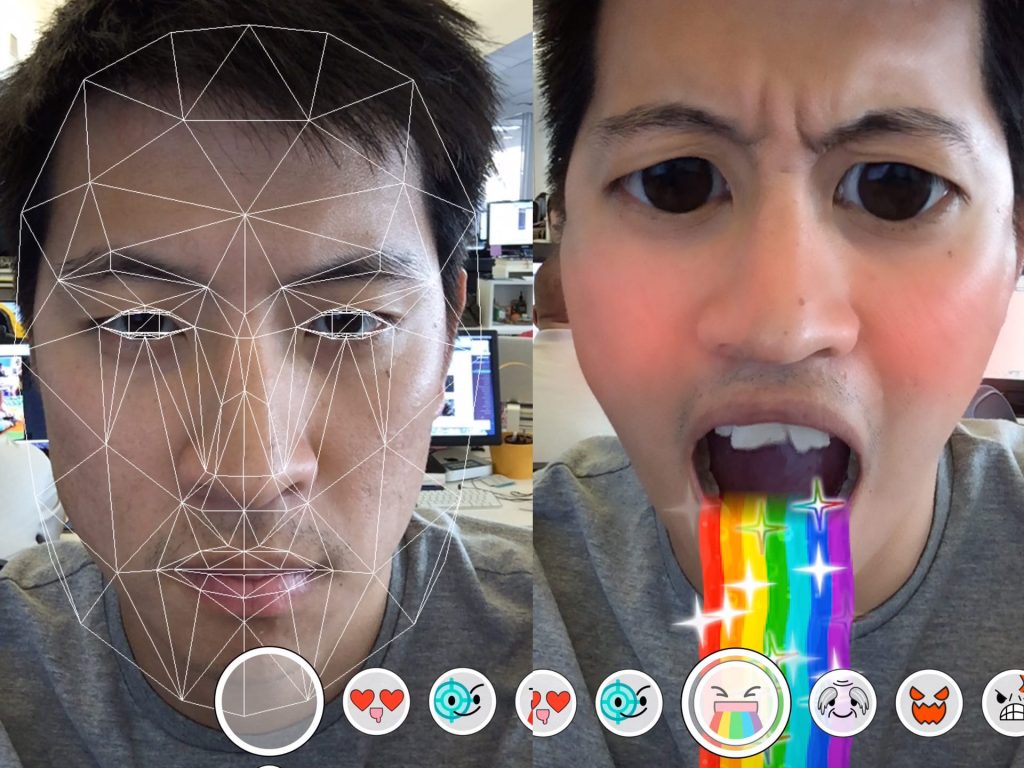
Three application that use augmented reality extremely differently are Pokémon Go (2016), Houzz (2010) and Snapchat (2011). Pokémon Go (2016) is a mobile game that uses augmented reality to allow users to interact with virtual creatures. Houzz (2010) is an application used to display furniture within a user house through their mobile device. Augmented reality is used to place 3D versions of the furniture in a room. Snapchat (2011) is a popular social media platform, it uses augmented reality to apply filters to the users face. These filters alter the appearance of the user.
Historik (2022) is another application that uses augmented reality. This application displays small scale recreations of historical sites in America. It was the initial inspiration behind the application I am designing.
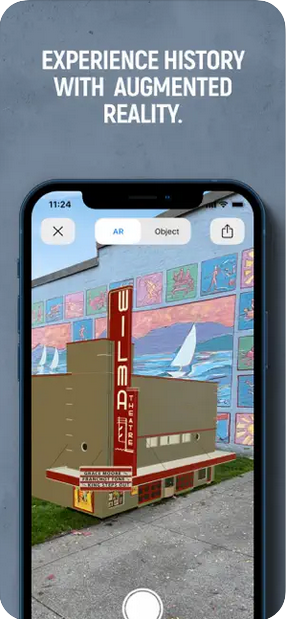
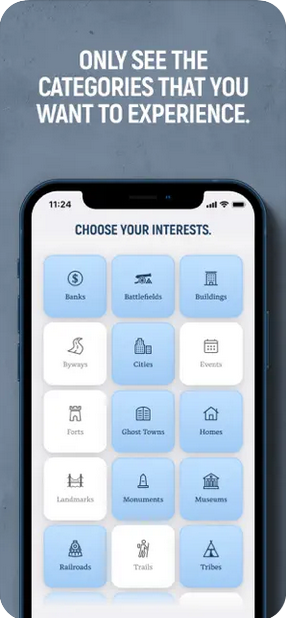
Historik (2022) Historik [Application] Available online: https://www.historik.com/ [Accessed 30/10/2022] 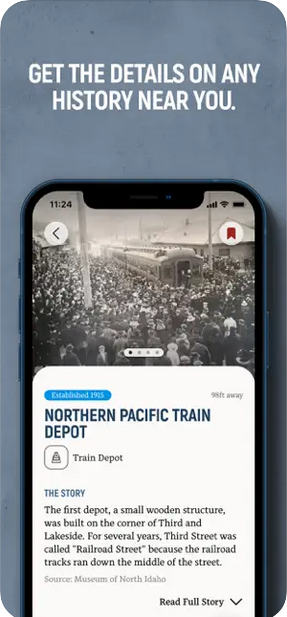
In the paper Recreating Sheffield’s Medieval Castle In Situ using Outdoor Augmented Reality (2018), the possibility of creating an augmented reality application recreating Sheffield’s castle in it’s original location and the more technical elements of achieving this are documented.
The main problem Leach, et al (2018) had re-creating the castle was that the original site is now covered with modern buildings. To overcome this problem, they used “A virtual model of the 3D area” (Leach, et al. 2018). Using this 3D model helped them deal with problems of overlaying the castle in location of the modern buildings, this is done by having “the user align … the model with the real world, giving a solid fix on position and orientation, before the virtual castle is displayed.” (Leach, et al. 2018). The output is then “overlaid on the mobile phone’s video feed” (Leach, et al. 2018) allowing the user to see the castle in it’s original location.
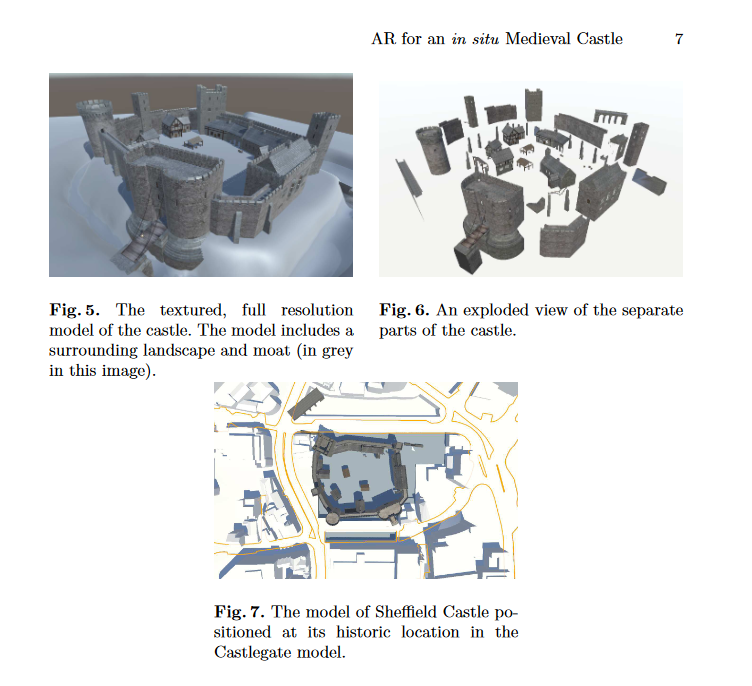
Leach, M. et al. (2018). Recreating Sheffield’s Medieval Castle In Situ using Outdoor Augmented Reality. EuroVR 2018: Virtual Reality and Augmented Reality, LNIP,volume 11162, pp 213-22 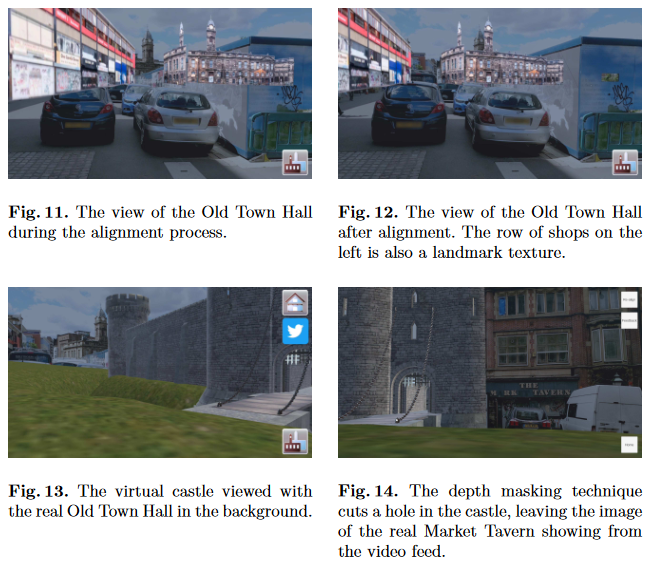
Leach, M. et al. (2018). Recreating Sheffield’s Medieval Castle In Situ using Outdoor Augmented Reality. EuroVR 2018: Virtual Reality and Augmented Reality, LNIP,volume 11162, pp 213-22
References:
Carmigniani, J. & Furht, B. (2011) Handbook of Augmented Reality. New York: Springer New York.
David, R (2020) Pokémon Go is Bending Reality with New AR Technology [Image] Available online: https://robots.net/ai/pokemon-go-is-bending-reality-with-new-ar-technology/ [Accessed 30/10/2022]
Historik (2022) Historik [Application] Available online: https://www.historik.com/ [Accessed 30/10/2022]
Houzz (2010) Houzz – Home Design and Remodel [Application] Available online: https://play.google.com/store/apps/details?id=com.houzz.app&referrer=utm_source%3Dhouzz%26utm_content%3Dsite-allvariants [Accessed 20/10/2022]
Leach, M. et al. (2018). Recreating Sheffield’s Medieval Castle In Situ using Outdoor Augmented Reality. EuroVR 2018: Virtual Reality and Augmented Reality, LNIP,volume 11162, pp 213-229.
Niantic (2016) Pokémon Go [Video Game] Available online: https://www.pokemon.com/uk/app/pokemon-go/ [Accessed 30/10/2022]
Snap Inc. (2011) Snapchat [Application] Available online: https://apps.apple.com/gb/app/snapchat/id447188370 [Accessed 30/11/2022]